
San Antonio Neighborhood Guide: What Buyers Should Know
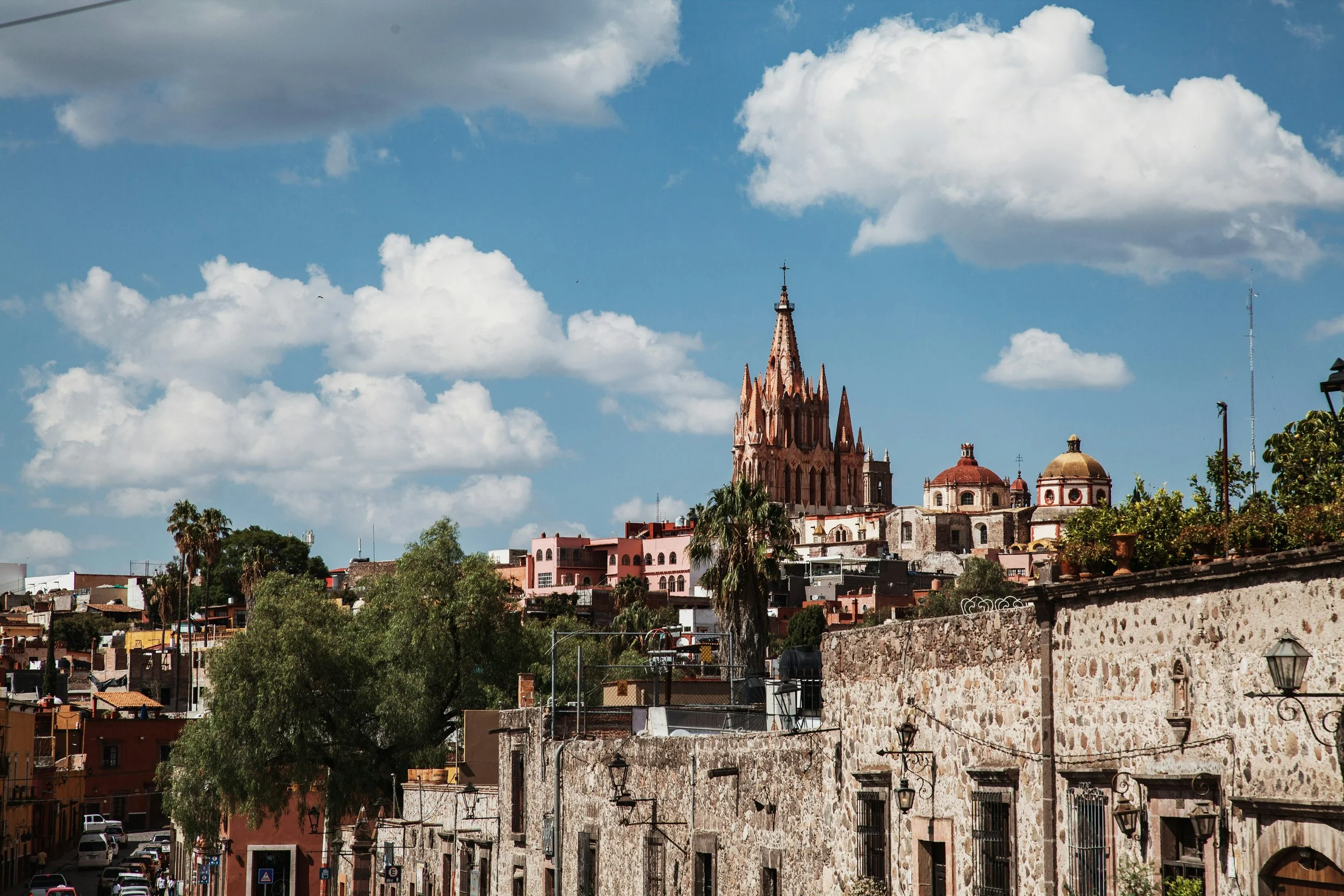
View Towards Centro Historico From San Antonio San Miguel de Allende
Among the established neighborhoods in San Miguel de Allende, San Antonio consistently ranks as one of the most considered areas for buyers. It offers proximity to Centro Histórico without full Centro pricing, architectural diversity, and a lived-in character that appeals to both full-time residents and part-time homeowners.
But San Antonio is not a single experience. It is layered. It changes from block to block. It rewards careful evaluation. Buyers who assume uniformity often miss what makes the neighborhood both appealing and complex.
If you are considering purchasing property in San Antonio, here is what you should understand before deciding whether it is the right fit.
Location and Walkability
San Antonio sits just southwest of Centro Histórico, within the urban core of San Miguel de Allende. Depending on the exact street, the Jardín can be reached in roughly fifteen to twenty-five minutes on foot.
The neighborhood radiates outward from the Parroquia de San Antonio de Padua, the distinctive pink church that anchors the area visually and culturally. Streets closer to Centro and Stirling Dickinson tend to feel more active, with cafés, bakeries, and neighborhood services within walking distance. As you move farther south and west, the atmosphere becomes quieter and more residential.
Walkability is one of San Antonio’s strongest assets, but it is not uniform. Some streets are flat and direct. Others slope gently. Sidewalk conditions vary. Buyers who prioritize daily walking might want to test routes from the specific property they are considering. That said variability of hight and width of sidewalks can seem random and unplanned anywhere in San Miguel.
Architectural Character and Housing Options in San Antonio
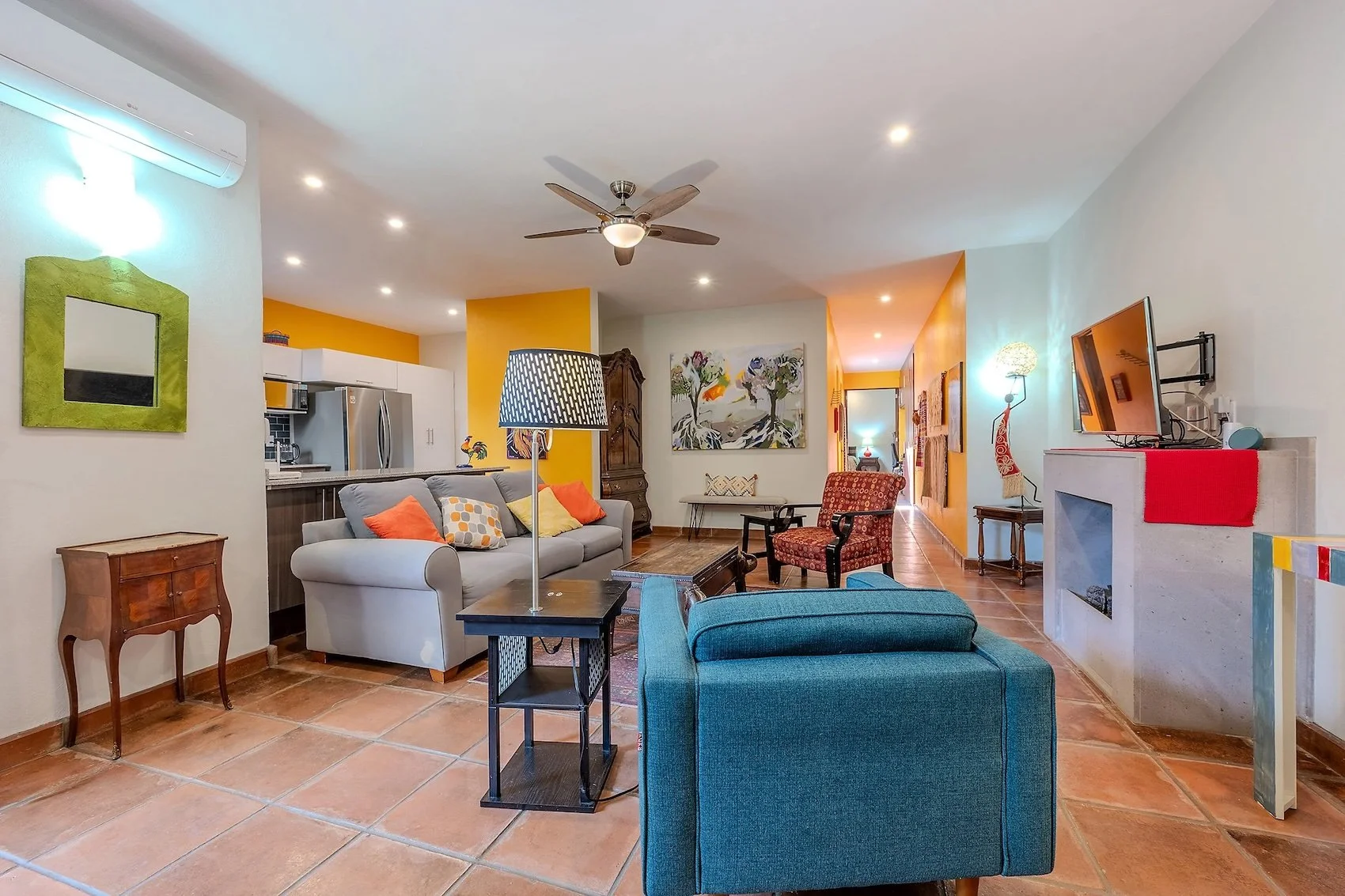
Casa Dos Patios is a two bedroom 2 ½ bath One Level Condominium in San Antonio.
San Antonio developed organically over several decades. Unlike gated communities or newer subdivisions, it was not built to a single architectural standard. Housing styles vary significantly.
You will find modest Mexican homes built in the 1970s and 1980s, partially renovated properties, fully restored colonial-style residences, and contemporary remodels with rooftop terraces and open-concept interiors. Some homes retain traditional courtyard layouts, while others have been reimagined entirely.
Lot sizes are inconsistent. Some homes sit on narrow urban parcels with minimal outdoor space, while others include deep gardens or substantial interior courtyards. Parking is similarly variable. While some properties include enclosed garages, many rely on street parking.
This architectural diversity creates pricing flexibility but requires careful evaluation of construction quality, infrastructure updates, and long-term maintenance needs.
Price Ranges and Market Position
San Antonio generally offers a broader entry point than Centro Histórico while maintaining proximity. Smaller or older homes may begin in the mid-$300,000 USD range. Renovated two- to three-bedroom homes commonly fall between $450,000 and $750,000 depending on finish level and location. Designer properties with strong rooftop views, parking, and high-end materials can exceed $900,000.
Micro-location significantly influences value. Properties closer to flatter walking routes and commercial corridors tend to command stronger prices. Homes located deeper in San Antonio may offer better value per square meter but slightly less immediate access to amenities.
Quality of renovation, natural light, rooftop usability, parking availability, and neighboring property condition consistently affect pricing. Comparable sales analysis is essential.
Commercial Growth Along Stirling Dickinson
In recent years, Stirling Dickinson has seen gradual commercial expansion. As rents in Centro have increased, several respected restaurants and bakeries have moved south into San Antonio, attracted by larger spaces and more manageable overhead.
Pork Belly has become a consistent favorite among residents. Panina draws steady traffic with its relaxed atmosphere and reliable menu. Several respected bakeries and cafés operate along this corridor, giving residents access to coffee, fresh bread, and casual dining without entering Centro.
The growth of new restaurants and places to hang out with friends is a plus for the neighborhood.
Proximity to the Instituto Allende
San Antonio benefits from proximity to the Instituto Allende, founded in the 1950s and instrumental in establishing San Miguel’s international reputation as an arts destination. The Instituto continues to offer art workshops, exhibitions, and Spanish language programs.
Many residents enroll in classes, reinforcing the neighborhood’s artistic presence. Living near the Instituto provides both cultural and practical advantages, particularly for buyers interested in language immersion or creative pursuits.
Community Life and Annual Fiestas
San Antonio maintains strong ties to local tradition. Annual fiestas connected to the parish church include processions, music, and neighborhood gatherings. One of the most memorable events is the annual horse procession, when riders move through the streets as part of local celebration.
These events reinforce that San Antonio remains embedded in long-standing Mexican tradition and has not evolved int an expatriate enclave.
Who Lives in San Antonio?
San Antonio attracts a mix of Mexican families, retirees, artists, and foreign buyers. It does not feel exclusively expatriate or dominated by tourism. The neighborhood functions year-round.
Buyers often value immersion and residential rhythm while remaining within walking distance of Centro’s cultural offerings.
Safety and Infrastructure
San Antonio is stable and established. Like most central neighborhoods, it has only a few gated privadas. Security is property-specific.
Older homes require inspection of plumbing, electrical systems, waterproofing, and drainage. Buyers should confirm cistern capacity and pump condition, particularly during the rainy season.
Rental and Investment Considerations
Because of proximity to Centro and expanding amenities, San Antonio maintains consistent rental appeal. Homes with usable rooftop terraces, updated kitchens, reliable water systems, and accessible walking routes perform best.
Micro-location influences resale demand. Buyers should align renovation budgets with realistic neighborhood ceilings.
The Pros and the Trade-Offs
San Antonio offers walkability, cultural depth, and pricing flexibility. It provides urban living without Centro’s premium pricing.
However, variability between streets, parking limitations, and uneven renovation quality require careful evaluation.
Is San Antonio Right for You?
San Antonio suits buyers who prioritize location and nuance. It may not suit those seeking gated privacy or strict architectural cohesion.
In San Miguel de Allende, elevation, infrastructure, renovation quality, and surrounding properties influence long-term satisfaction. San Antonio offers balance, but that balance requires thoughtful evaluation.
Check out our Guide to Buying Real Estate in San Miguel de Allende Here.