
Bringing Your Pet to San Miguel de Allende: What You Need to Know Before You Make the Move
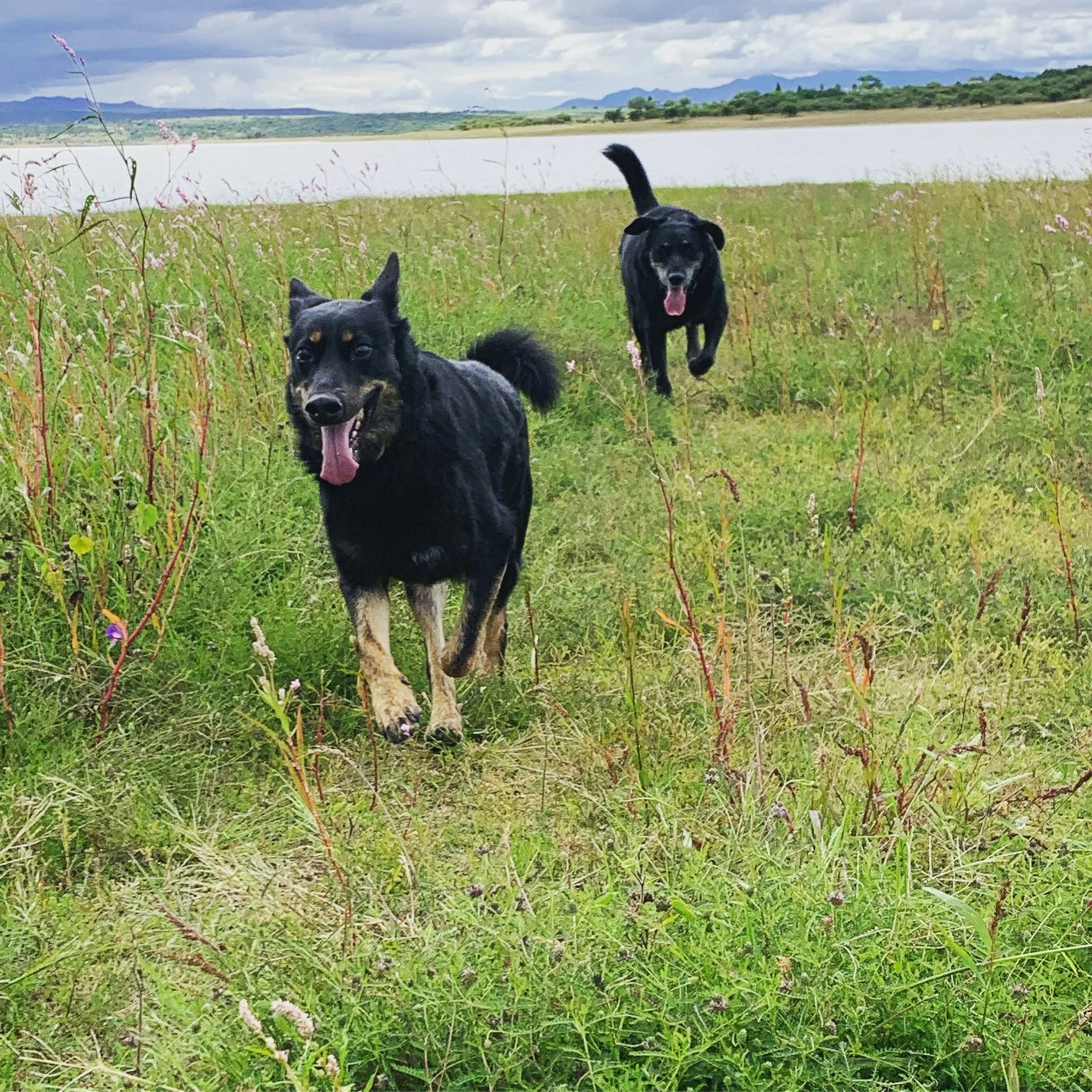
Dogs Playing Near the Presa in Los Frailes Neighborhood
One of the first questions we hear from people seriously considering a move to San Miguel de Allende is some version of this: "What about my dog?" Or cat. Sometimes both. And often a horse, but that's a longer conversation.
The good news is that Mexico is genuinely welcoming to pets, and San Miguel specifically has become something of a haven for expat animal lovers. The cobblestone streets are filled with dogs on morning walks, the markets are dotted with cats who own the place, and the expat community here is deeply invested in animal welfare. If anything, your pet may have a better life here than back home. But getting them here does take some planning, so let's walk through what's actually involved.
Getting Your Pet Into Mexico: The Paperwork (It's Lighter Than You Think)
Mexico simplified its pet entry requirements back in 2019, and the process is considerably easier than many people expect. For dogs and cats coming from the United States or Canada, you no longer need a USDA-endorsed health certificate just to cross the border. What you do need is to be prepared for a physical inspection by SENASICA, Mexico's agricultural health authority, when you arrive.
In practical terms, here is what you should have in order before you travel:
Rabies vaccination. This is the one non-negotiable. Your pet's rabies vaccine must be current, less than one year old, and you should carry the original certificate signed by your veterinarian. Puppies and kittens under three months are exempt.
Parasite treatment. Dogs and cats need to have been treated for both internal and external parasites, meaning a dewormer and flea/tick treatment, within 180 days before entering Mexico. This gets noted in your paperwork and your vet can document it on the health certificate.
Health certificate. While Mexico technically doesn't require one from U.S. and Canadian travelers, your airline almost certainly will. If you're flying, get a health certificate from your vet within 10 days of departure. An APHIS-7001 form is widely accepted, and if your vet is USDA-accredited, it doesn't need a separate USDA endorsement. Carry the originals, always.
Microchip. Not technically required by Mexico, but strongly recommended by anyone who has ever lost a pet at an international border or in an unfamiliar city. Get it done before travel.
One practical note on the inspection itself: SENASICA does not charge a fee for the standard pet inspection and import. If your carrier is dirty or contains bedding made from animal materials like wool or leather, they will remove those items. Keep the crate clean and simple.
If you travel back and forth regularly, look into Mexico's Frequent Traveler Pet Program. Once registered, you can use a longer-validity health certificate and streamline future crossings significantly.
Flying vs. Driving: Which Makes More Sense
Both are viable, and both have their quirks.
Flying is faster but involves more coordination. Airlines have limited in-cabin space for pets, snub-nosed breeds like French bulldogs and pugs face cargo restrictions, and flights within Mexico can have separate pet policies from the international leg. If you're flying into Querétaro (QRO), the nearest international airport to San Miguel, plan for ground transport from there into town, about 45 minutes to an hour depending on traffic.
Driving is often the lower-stress option for the pet, especially larger dogs. You'll stop at the border for the SENASICA inspection, declare your animals, and proceed. The crossing is usually quick if your documents are in order. Many expats who made the move with multiple dogs or anxious animals swear by the drive.
Whichever way you come, avoid sedating your pet for travel. Sedatives behave unpredictably at altitude and in stress situations. Talk to your vet about calming alternatives if your animal is anxious.
Returning to the U.S. with Your Pet
This part catches people off guard. Getting into Mexico is easy. Getting back into the U.S. requires more documentation, and the rules have tightened in recent years.
The CDC requires an online import form to be completed before bringing a dog back into the United States. The form generates a receipt that you'll show to airlines and border officials. Mexico is not currently classified as a high-risk rabies country, so the process is relatively straightforward for dogs that have been current on their vaccines, but the form is required and you cannot skip it. Fill it out before you travel, not the morning of.
If you've been in Mexico for more than 30 days, most veterinarians in San Miguel can issue the documentation you'll need for re-entry, including the travel health certificate.
Pet Life in San Miguel de Allende
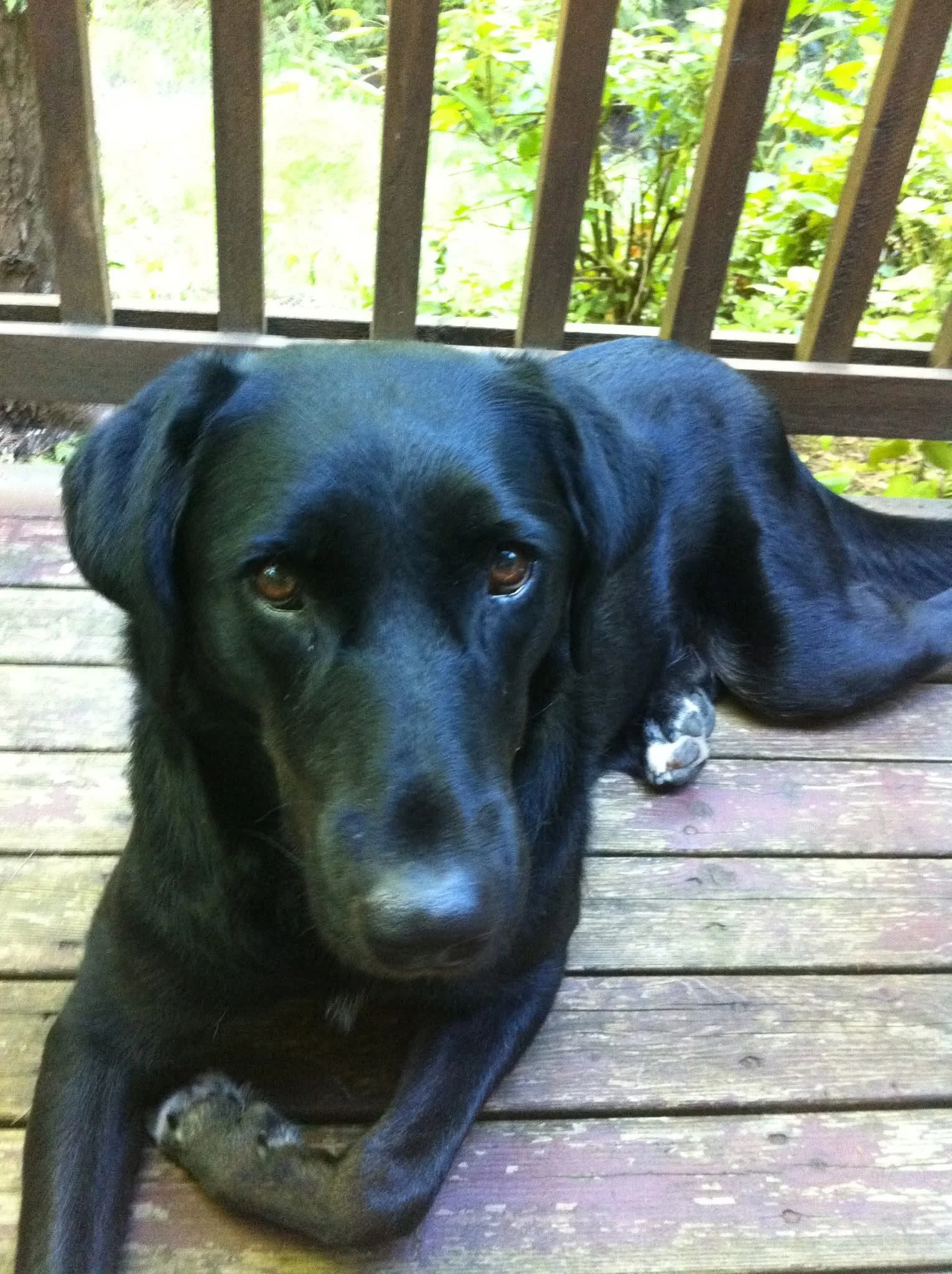
This is where things get genuinely good. San Miguel has an unusually strong animal-welfare culture for a city its size, driven in large part by the expat community that has made it home over the past few decades. It's one of the many reasons living in San Miguel de Allende tends to surprise people once the novelty wears off — the day-to-day quality of life here is quietly excellent, for humans and animals alike.
The S.P.A. (Sociedad Protectora de Animales) has been operating a no-kill shelter here since 1980, one of the oldest in Mexico, and it offers a full veterinary clinic on-site with services ranging from routine vaccinations to surgeries. Tuesday and Saturday are discount days at the S.P.A. clinic, which the community has learned to take advantage of.
For private veterinary care, Pet Vet on Stirling Dickinson is consistently the most recommended clinic among longtime residents. Dr. Alma Miranda has been practicing there for years and has the kind of reputation that gets her name mentioned unprompted in every conversation about local pet care. The clinic offers full diagnostic services including bloodwork, X-rays, and surgery, and the cost of care is substantially lower than comparable U.S. clinics without any compromise in quality. (This mirrors the broader story with healthcare in San Miguel de Allende — good medicine at prices that will catch you off guard in the best way.)
Pet Care Center in La Lejona, run by Dr. Ricardo Merrill and his sister Dr. Karen Merrill, is another well-regarded option, especially among newer arrivals who appreciate that the Merrills are known for being responsive to emergencies after hours.
Tick prevention is worth taking seriously here. Tick-borne infections including ehrlichiosis are present in the region, and keeping your dog on a reliable preventive treatment year-round is something every vet in town will tell you on day one.
What This Means for Buying a Home Here
If you're seriously considering buying property in San Miguel de Allende, the pet question shapes the home search more than most buyers initially expect. Several things matter:
Outdoor space. San Miguel's historic centro properties are beautiful, but many are tall and narrow with interior courtyards rather than yards. For large dogs especially, understanding how a property's layout works for daily animal life is part of the evaluation. Some of the most pet-friendly homes are in the residential neighborhoods that ring Centro Historico, where you get garden space and easier street access for morning walks. The Los Frailes neighborhood is excellent for dogs with a dog park, and wide open spaces next to the lake where your dog can play and explore safely.
Rooftops and terraces. Many homes here have spectacular rooftop terraces, which are wonderful for humans and potentially dangerous for curious animals. It's a detail worth checking.
Proximity to green space. The Parque Juárez in the centro, the areas around the botanical garden, and the campos outside of town give dogs real room to run. Buyers who prioritize walkability for their pets often end up drawn toward neighborhoods like Guadalupe, San Antonio, or Atascadero, which offer a slightly different pace than the centro while still being close to everything. Our San Miguel de Allende neighborhoods guide breaks down exactly how each area lives day to day, which is worth reading before you start narrowing your search.
Rental considerations. If you're purchasing as an investment with plans to rent, know that pet-friendly rental properties in San Miguel command a premium. A large portion of the expat rental market travels with animals, and properties that accommodate pets comfortably simply rent more consistently. If you're weighing the investment angle, our piece on buying and selling real estate in San Miguel de Allende covers the fundamentals of how property value works here.
San Miguel has been welcoming people, and their animals, from all over the world for a long time. The infrastructure for pet owners here, from excellent veterinary care to a community that genuinely looks out for animals, is one of those quality-of-life factors that doesn't always make it into the real estate listings but absolutely shapes what it feels like to actually live here.
If you have questions about finding a property that works for your whole family, four-legged members included, we're here to help. Browse our current homes for sale or reach out directly and we can start the conversation.