
Buying and Selling Real Estate in San Miguel de Allende: An Investor’s Perspective
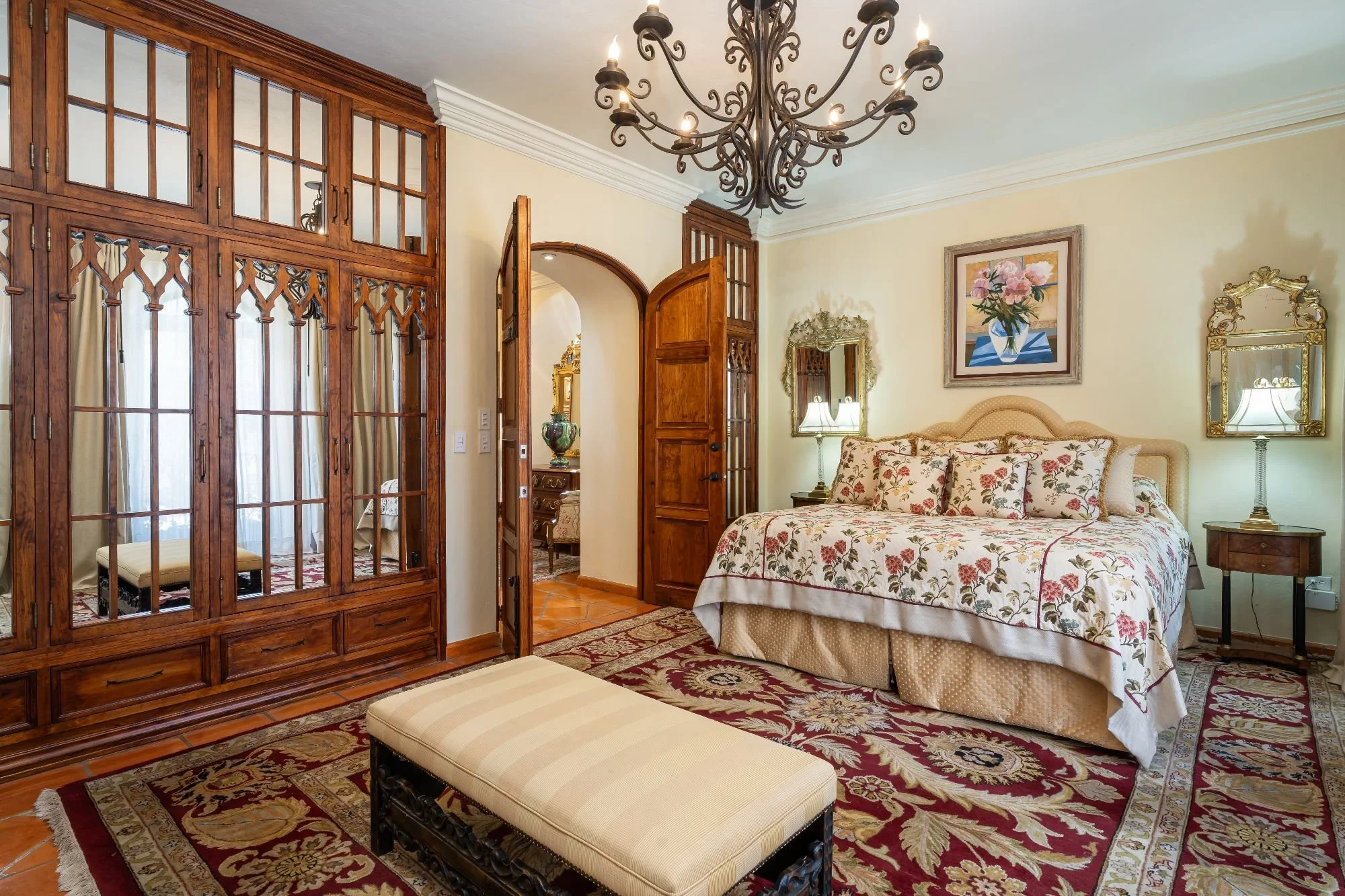
Luxury home in San Miguel de Allende
For buyers and sellers looking at San Miguel de Allende as an investment, a key question is whether a property is priced in a way that makes sense for its location, construction quality, and future potential. That comes down to a combination of land value, construction quality, carrying costs, market timing, and the opportunity to add value through remodeling or upgraded systems. It also means understanding whether the cost of improvements is justified by the likely increase in resale value or rental income.
Understanding Value: Land vs Construction
One useful way to evaluate property in San Miguel is to look at both land value and construction value separately. While listings always present a single price, experienced buyers tend to break that number down to understand if an property represents value.
Construction costs vary significantly based on quality. At the higher end, homes with strong design, quality materials, and modern systems—such as heating and cooling, water filtration, solar panels, and well-executed finishes like double-pane windows—are generally valued at around $2,000 USD per square meter. These are properties built or renovated to the standard typically expected by luxury buyers.
More standard construction, with simpler finishes and more basic systems, often falls closer to $1,000 USD per square meter and upward. When pricing drops below that range, it typically indicates that, from an investor’s perspective, updates or significant remodeling will be required. That can present an opportunity, but it needs to be factored into the investment.
Land value directly reflects location. In prime Centro locations, land can reach around $3,000 USD per square meter. This includes areas along Aldama, near Parque Juárez, and properties with strong views and located in the heart of the historic center.
In neighborhoods like Guadalupe and San Antonio, land becomes more affordable, often around $800 USD per square meter. These areas still offer proximity and walkability, but without the same premium attached to Centro Historico.
Further out, neighborhoods such as Los Frailes may see land values closer to $320 USD per square meter. These properties often offer more space, but the tradeoff is distance from Centro and, in some cases, a different appreciation profile over time.
Buying Real Estate: Evaluating the Opportunity
Buyers approaching San Miguel de Allende from an investment standpoint usually start by asking whether the asking price is supported by the underlying value of the property. That means looking closely at location, land value, quality of construction, carrying costs, and the cost of any work the property will need. A home can present beautifully and show great livability, but not offer value for an investor, while a less polished property in a stronger location may offer much better upside.
One common mistake is overpaying for finishes while overlooking fundamentals. High-end materials and design are important, but they do not compensate for weaker location, limited natural light, or dysfunctional layout. On the other hand, a well-located property with more basic finishes can often be improved and may perform better over time.
It is also important to think separately about rental performance and resale potential. Some properties generate solid short-term rental income because they are compact, easy to manage, and well located for visitors, but those same qualities do not always translate into the strongest resale value. Buyers in the resale market are often looking more closely at light, layout, privacy, parking, views, and overall livability. The best investment properties can satisfy both, but not all do. Looking at each property through both lenses helps buyers avoid putting too much emphasis on rental income alone while overlooking what will matter later when it is time to sell.
Selling Real Estate: Pricing as a Strategy
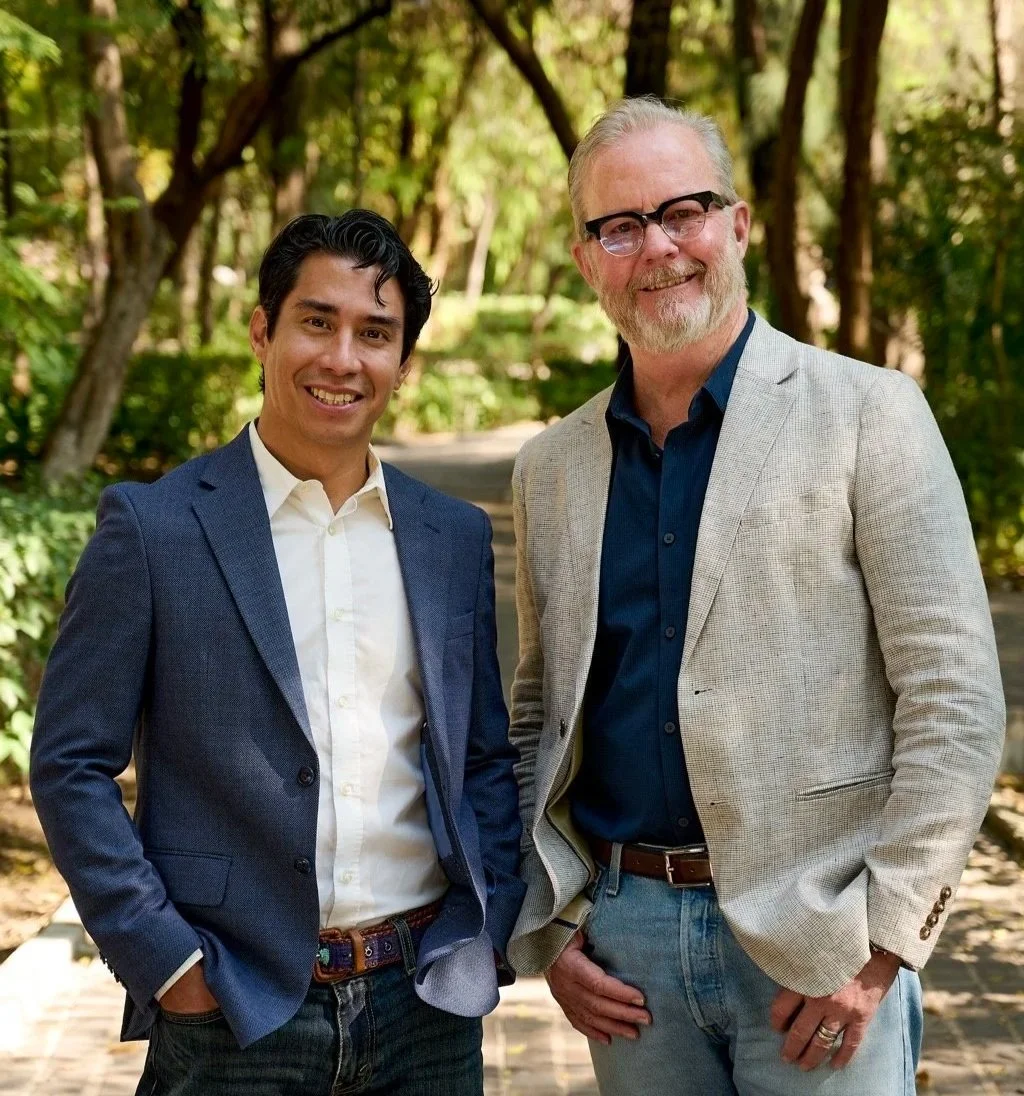
Kiang and Glenn, real estate agents in San Miguel de Allende, working with buyers and sellers across a range of properties
From the seller’s side, pricing is key. As an agent, when I hear a seller mention “testing the market,” I tend to shudder, because it usually means they are thinking of coming on too high.
Overpriced homes tend to receive less attention. Buyers and agents often recognize when a property is overpriced and may choose not to visit at all, particularly when there are other options available. This leads to fewer showings, less feedback, and often a longer time on the market followed by price reductions.
Homes that are priced in line with current conditions tend to generate more activity early on. That initial interest is important, as it can lead to stronger offers and better negotiating leverage.
In many cases, it is better not to bring a property to market at all than to list it at a price that does not reflect its true position. The goal is not just to list a home, but to sell it under the best possible terms.
Market Trends and Appreciation
San Miguel experienced significant appreciation following the pandemic, as demand increased and inventory tightened. Since then, the pace of growth has slowed, and the market has shifted into a more balanced phase.
This pattern is not unusual. The San Miguel market has long moved in cycles, and those cycles are often influenced by broader economic trends in the United States. During periods when mortgage interest rates were very low and lending standards were loose, purchases and prices in San Miguel rose quickly. After the U.S. market crash, prices in San Miguel largely stalled and in some cases declined. In general, when the U.S. economy is strong and stock markets are performing well, sales activity in San Miguel tends to increase. Even with these shifts, the market has remained relatively stable over time, supported by a steady international buyer base.
At present, there is more inventory available, more price adjustments, and greater flexibility for buyers. At the same time, well-located and properly priced homes continue to sell. This suggests a market that is less driven by urgency and more focused on value.
Carrying Costs and Long-Term Ownership
One of the factors that continues to support real estate investment in San Miguel is the relatively low cost of ownership.
Property taxes are generally lower than in many parts of the United States and Canada. Maintenance costs vary depending on the property, but for well-built homes, they are often manageable. Utilities and general upkeep also tend to be more affordable than in comparable markets to the north.
Lower carrying costs can make a meaningful difference over time, particularly for owners who plan to hold property long term or use it part-time.
Documents and Process: What Buyers and Sellers Need to Know
Beyond price and market conditions, when buying real estate in San Miguel de Allende you also need to understand that a real estate transaction in Mexico does not work the same way it does in the United States or Canada. The legal process, required documents, closing structure, and timeline can all be different. Knowing how the process works from the start helps buyers avoid confusion, plan properly, and move through the transaction with fewer surprises.
For buyers, one of the key requirements is the SRE permit. Foreign buyers purchasing in San Miguel de Allende need this permit, and the application is typically started once a property is under contract. While it is a legal process with its own paperwork and timing, it is usually handled as part of the transaction by the realtor and attorney.
Buyers will need identification to complete the purchase. An RFC (tax identification number) is not currently required to buy property in Mexico, although it becomes very important later when the property is sold for tax purposes. If the buyer does not have an RFC number at the time of purchase, a generic number is typically generated and used. The notary, realtor, and attorney normally coordinate these steps as part of the closing process, which is why having a qualified team in place is important.
For sellers, documentation is equally important. This includes the title (escritura), property tax receipts, utility records, and, in some cases, proof of improvements made to the property. These documents can impact the calculation of capital gains and should be organized early in the process.
Residency status also plays a role in how transactions are structured, particularly when it comes to tax considerations. You can learn more in our article on Residency in Mexico.
Final Thoughts
In San Miguel de Allende, real estate value is shaped by a combination of Neighborhood and location, land, construction quality, and timing. Buyers who understand those factors are better equipped to judge whether a property justifies its price, while sellers who take them seriously are more likely to price appropriately, attract qualified interest, and achieve a successful sale.